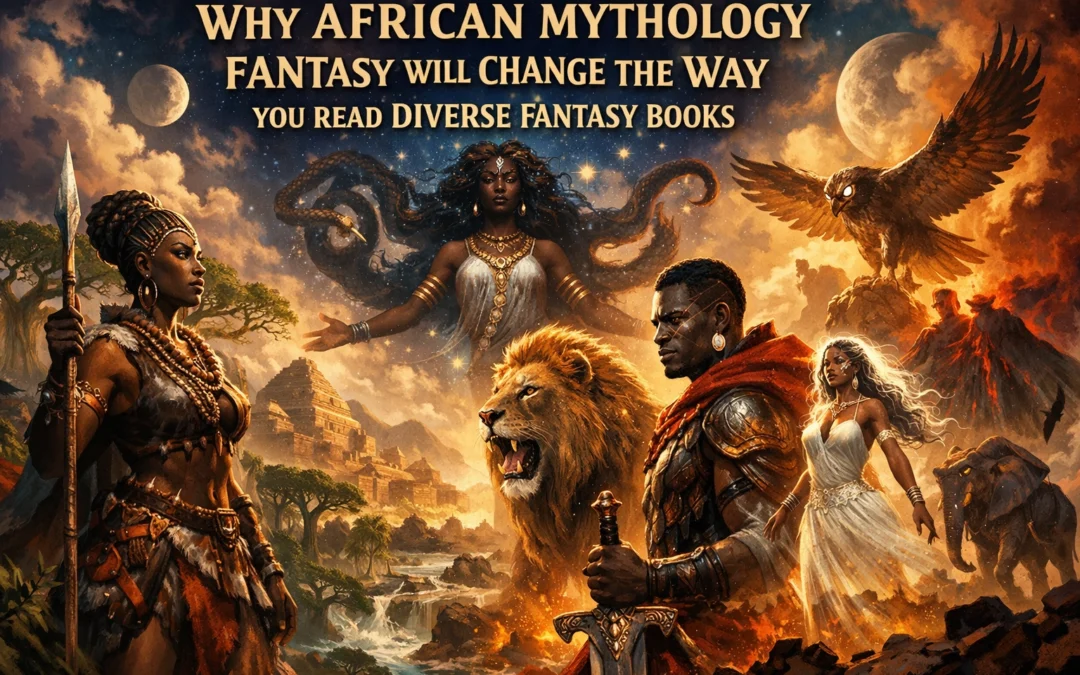
Let’s be real for a second. Have you ever scrolled through your Kindle library and felt like you were looking at the same castle, just painted a slightly different shade of gray? I’ve been there. Don’t get me wrong, I love a good European-inspired medieval romp as much as the next bookworm, but lately, I’ve been craving something that feels like a lightning bolt to the senses. Something that feels less like a dusty archive and more like a living, breathing pulse.
Enter the world of African mythology fantasy.
If you haven’t dived into this subgenre yet, you aren’t just missing out on “diverse fantasy books”, you’re missing out on a complete reimagining of what magic, power, and identity can look like. This isn’t just a trend; it’s a mythological tidal wave piercing the facade of traditional storytelling. And honestly? It’s about time.
The Full Spectrum of Bronze, Honey, and Obsidian
One of the things I pride myself on—writing under Kats Kreative Ideas over at Kats Kreative Ideas—is celebrating the full complexity of the human experience (especially the parts that bite back). When I talk about POC characters in fantasy, I’m not talking about a monolith. African mythology fantasy brings a vibrant, cinematic spectrum of skin tones to the forefront. I’m moving past the “one diverse character” trope and into worlds where every shade of brown, from the softest, sun-kissed honey to the deepest, most velvety obsidian, is represented with dignity and breathtaking detail.
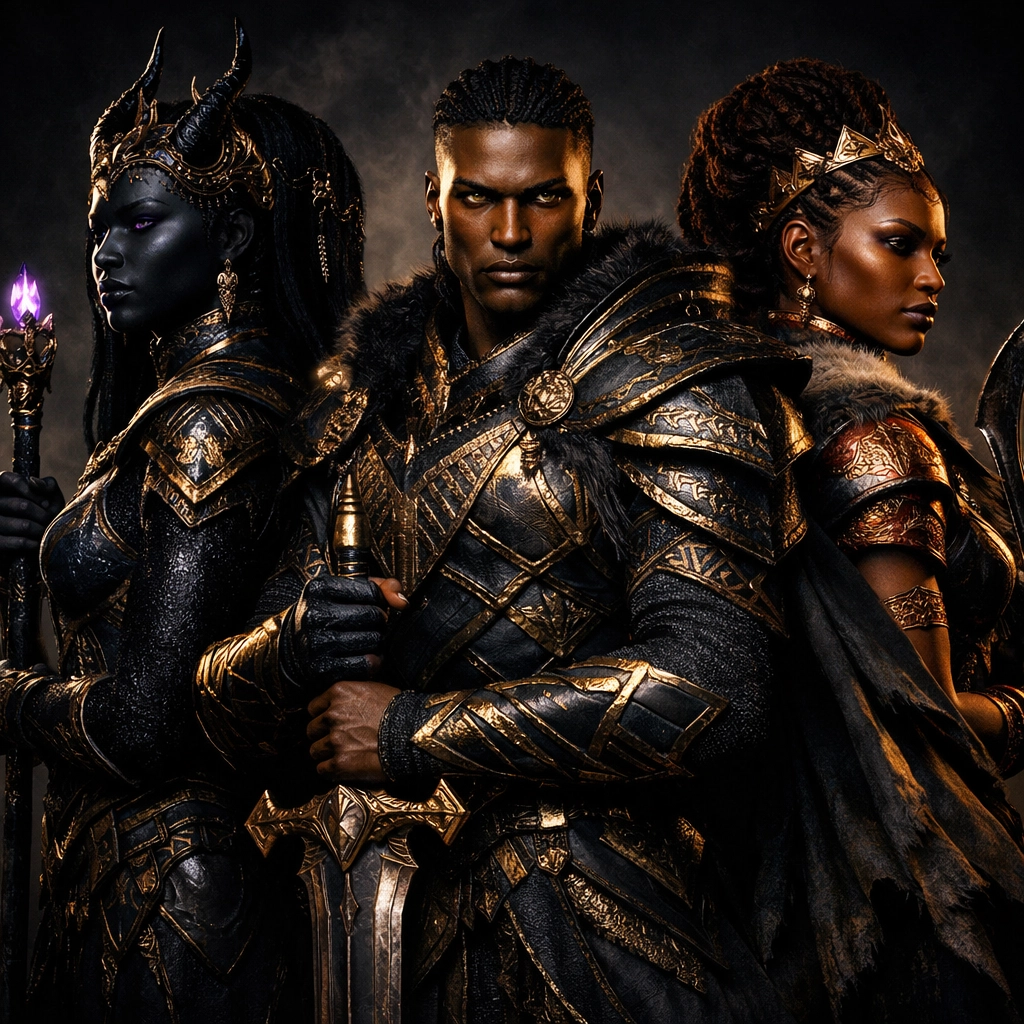
In these stories, the characters’ physical presence is a landscape in itself. I’m currently obsessing over a draft where the protagonist’s skin literally glows like burnished copper under the desert sun (Scratch that, she doesn’t just glow, she radiates). When I see characters who look like me, or like the world I actually live in, navigating high-stakes political intrigue or battling ancient gods, it changes the way I perceive heroics. It makes the epic feel personal.
Why the “Standard” Fantasy Trope is Crumbling
For decades, the “Standard Fantasy” playbook has relied heavily on Tolkien-esque foundations. You know the drill: elves, dwarves, dragons, and a very specific type of magic system. But African mythology fantasy flips the script. It draws from the rich, spiritual wells of Yoruba, Igbo, and Zulu traditions, offering frameworks that feel entirely fresh to a global audience.
Instead of wands and spells, imagine magic rooted in Nsibidi scripts or the spiritual weight of masquerade traditions. These aren’t just “cool tricks”; they are systems of belief that challenge the way I think about the divine and the mundane. (Wait, can I just pause for a second and appreciate how much cooler a masquerade-based magic system is? I’m looking at you, Writing category, for some upcoming inspiration).
It raises the question: Why have we limited our imaginations to one corner of the globe for so long? These stories don’t just offer new monsters; they offer new ways of being. They analyze modern society, colonialism, class struggles, and global identity, through a lens that is both ancient and urgent.
The Cinematic Dark Fantasy Aesthetic
You know I’m a sucker for a good aesthetic. If you’ve been following my New Release updates, you know that I lean heavily into that cinematic, dark fantasy/romantasy vibe—because yes, I like my beauty with teeth. African mythology provides the perfect backdrop for this.
Think: shimmering, bioluminescent jungles where the shadows have teeth. Think: sprawling empires built on the backs of fallen gods. Think: a romance so intense it literally shifts the tectonic plates of the spirit world.
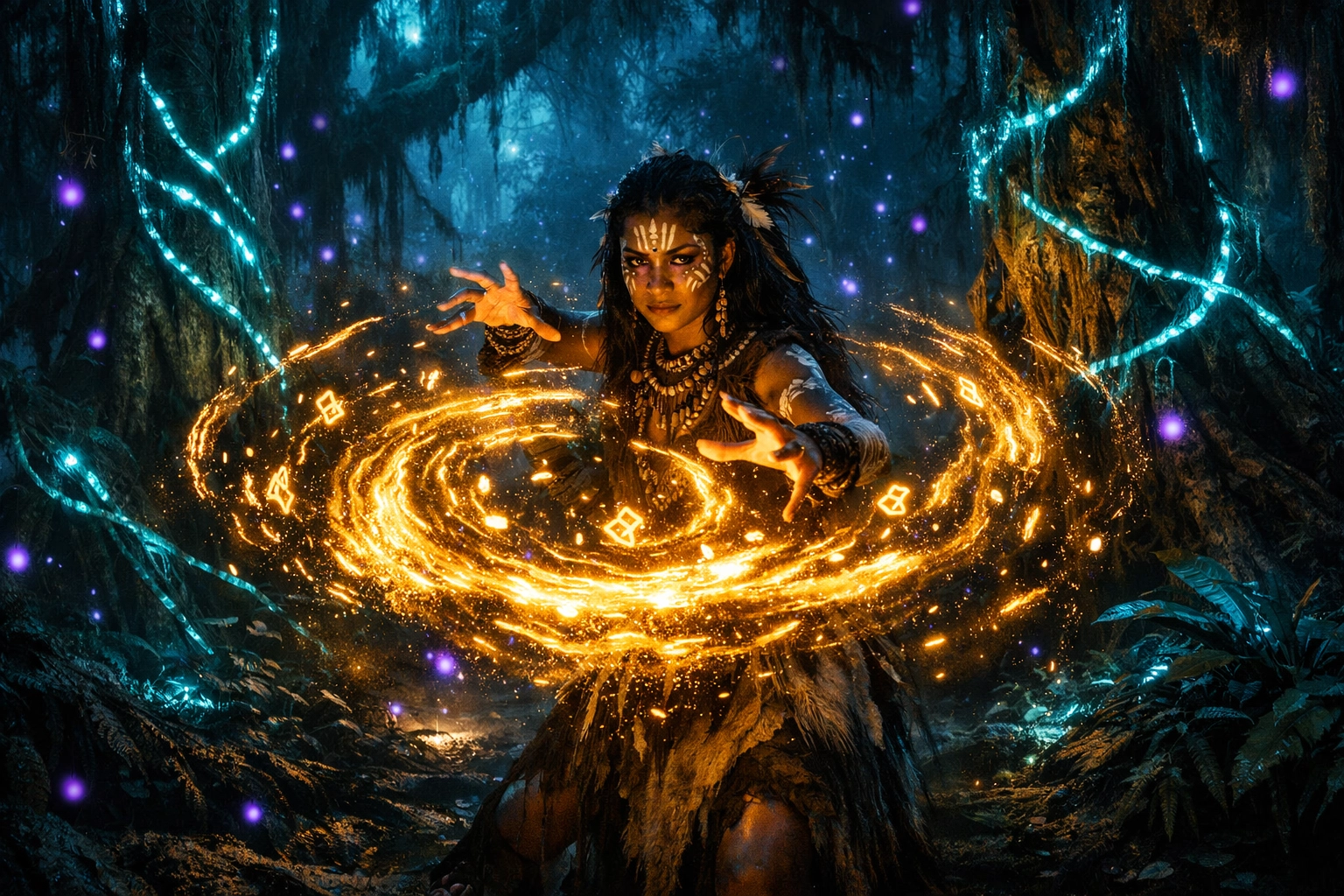
There’s a specific kind of “gossip-worthy” drama when Orishas or ancestral spirits get involved in the romantic lives of mortals. These entities have agency, tempers, and very long memories. When a character in an African-inspired fantasy enters a bargain with a spirit, it doesn’t feel like a contract; it feels like a high-stakes gamble where their very soul is the ante. It’s dark, it’s atmospheric, and it’s undeniably sexy.
Breaking the “Diverse” Label
I want to let you in on a little secret: calling these “diverse fantasy books” almost feels like a disservice. Yes, they are diverse. Yes, they are inclusive. But primarily? They are just incredible stories. By labeling them only as “diverse,” we sometimes forget that they are world-class examples of world-building and narrative tension.
When you read a story rooted in African mythology, you are engaging with a narrative technique that often ignores the “Hero’s Journey” we were taught in school. The stakes are different. The community is often just as important as the individual. The ancestors aren’t just ghosts; they are active participants in the plot. (Personally, I’d love to have an ancestor show up and tell me I’m being a bit too dramatic with my coffee intake, but I digress).
The Content Creation Perspective
At Kats Kreative Ideas, I look at stories not just as a consumer, but as a creator (and yes—sometimes the creator is the villain in the room). How does this shift in the industry affect how I build worlds? It teaches me that specificity is the key to universality. The more specific I am about the cultural rituals, the food, the scents, and the mythology of a specific African tradition, the more real that world feels to everyone.
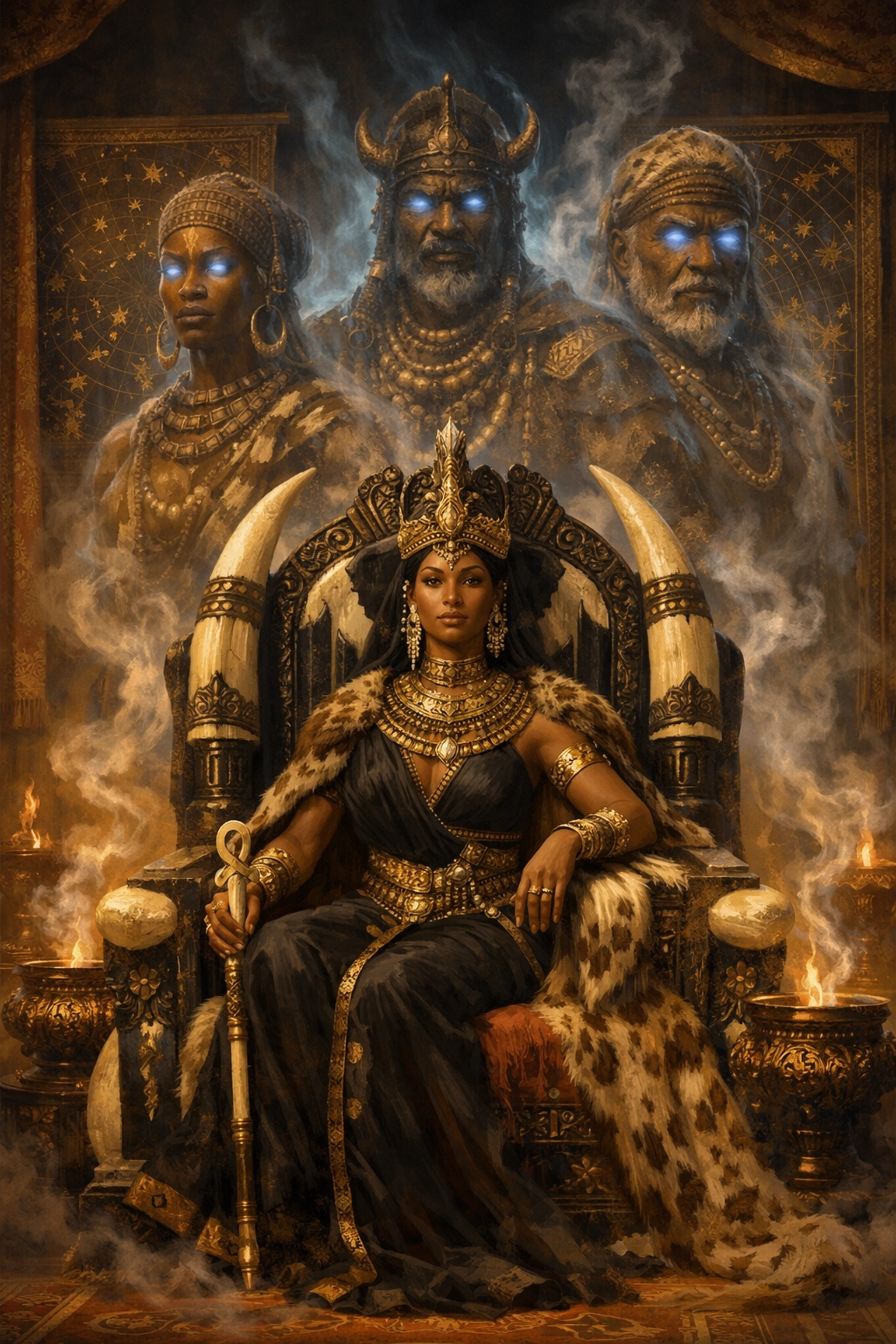
Whether you are looking for Coming Soon titles or digging through the New Earth Series, the lesson is the same: the world is wide, and my stories should be too. I’m not afraid of the “unfamiliar.” In fact, the unfamiliar is where the most potent magic happens—and where my darker ideas like to stretch their legs.
Your Next Must-Read
So, where do you start? If you’re looking for something that feels like a cinematic masterpiece played out on the page, look for titles that lean into the “Grimdark” or “Dark Romantasy” side of these mythologies. Look for authors who aren’t afraid to let their POC characters be morally gray, flawed, and powerful.
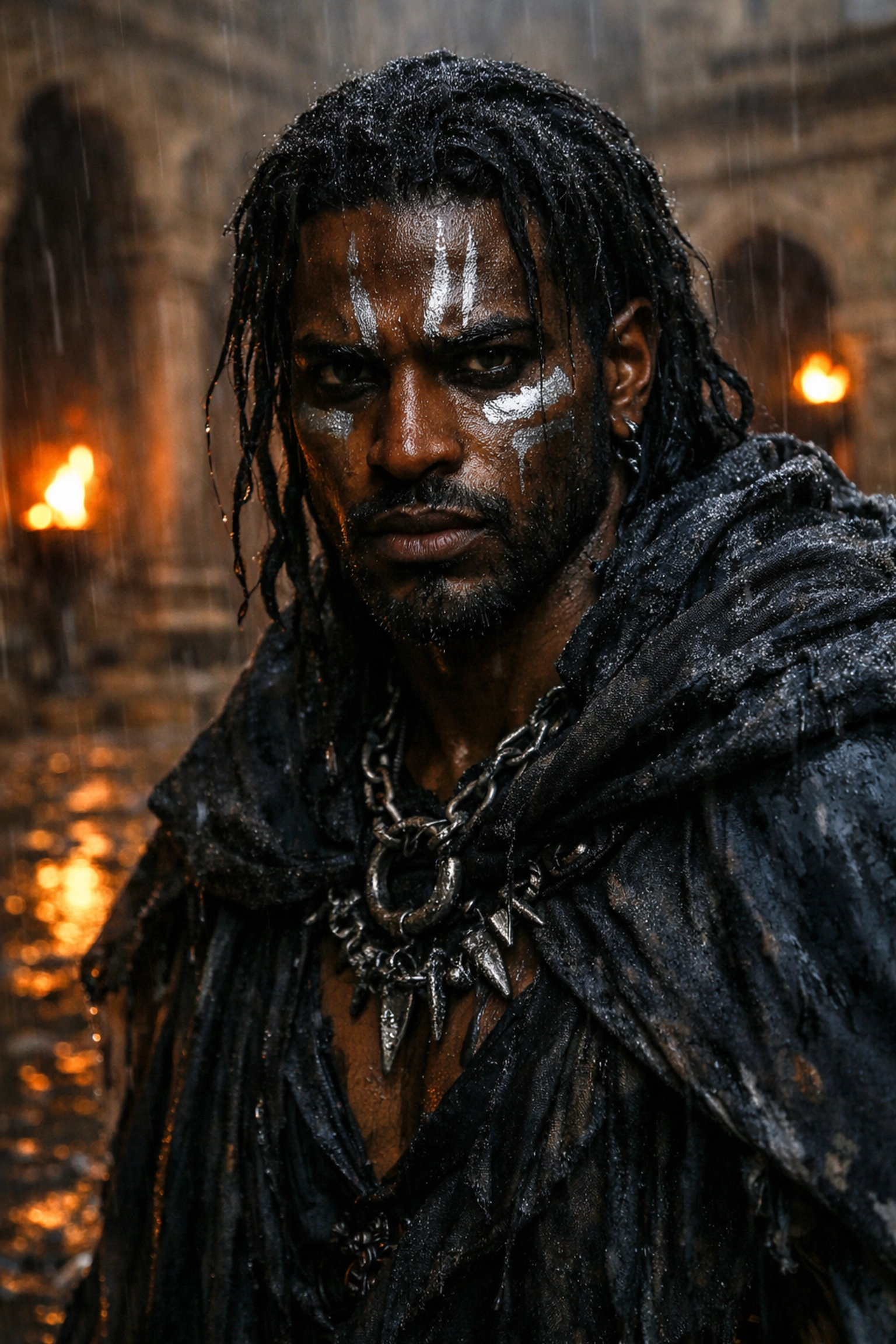
Are you ready to see a world where the gods look like the night sky and the magic feels like a heartbeat? Are you ready to trade the velvet capes for something more vibrant, more dangerous, and more real?
I know I am.
Final Thoughts from the Desk of Tigris Eden
The landscape of fantasy is changing, and I, for one, am here for the revolution. I’m moving toward a future where “diverse fantasy” is just “fantasy”: where every reader can find a piece of themselves in the stars, the shadows, and the spirits.
Stay tuned to my News page for more deep dives into the genres that are shaping the future of content creation. I’ve got some exciting projects in the works that lean heavily into these rich, multicultural worlds—with the kind of delicious darkness I can’t help but write.
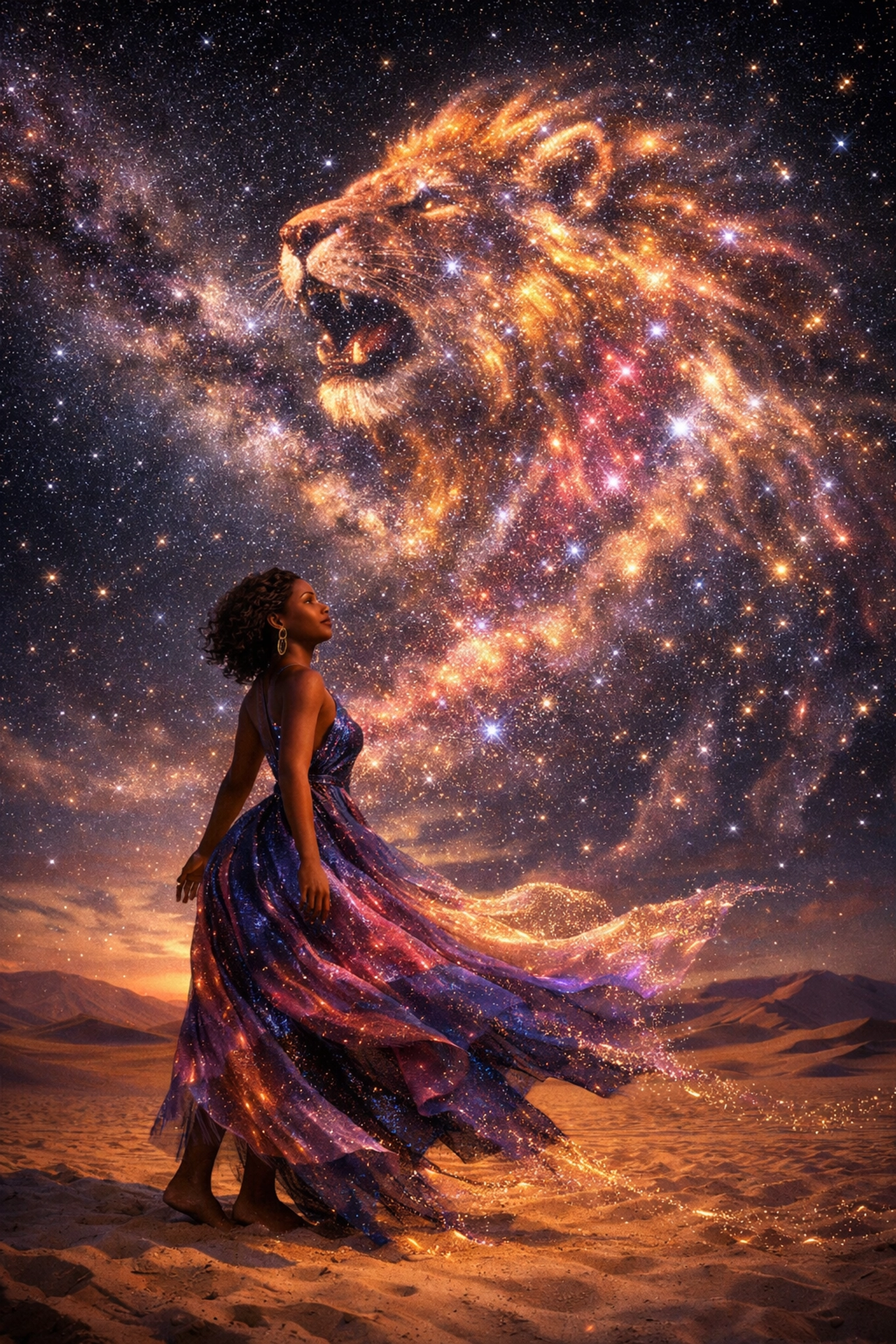
What about you? What’s the one mythology you’re dying to see more of in your favorite books? Drop a comment or send me a message. Let’s keep this conversation going, because the stories I choose to read—and the stories I choose to tell—define the world I’m building.
📍 Note: Keep an eye on our Cover Reveal section for some upcoming visuals that will absolutely blow your mind.
Stay creative, stay bold, and keep reading outside the lines.